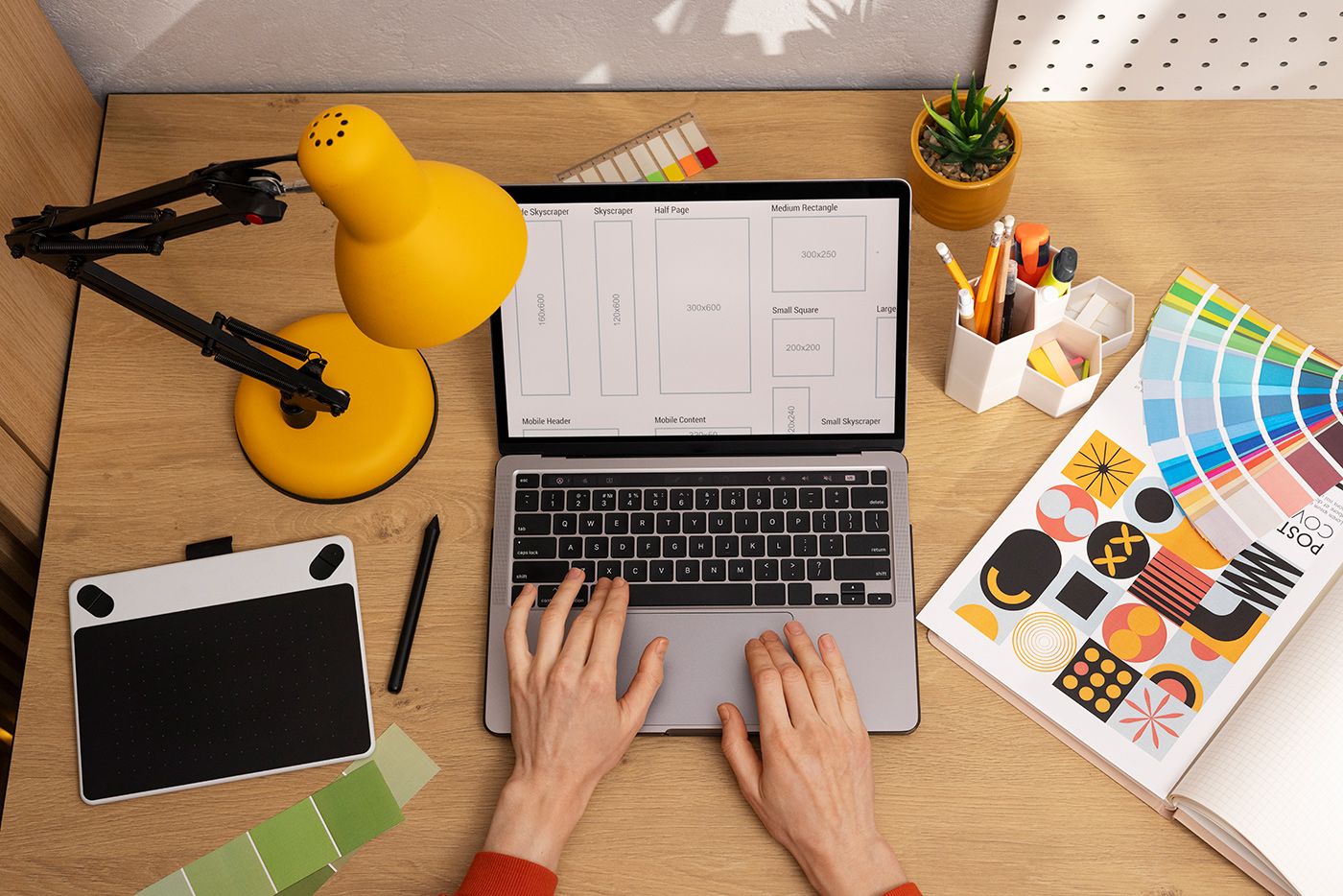
Designing Mobile-First: Why It’s No Longer Optional

Mobile isn’t the future—it’s the present. With more than half of global web traffic coming from smartphones, businesses can no longer afford to treat mobile design as an afterthought. Designing mobile-first is essential for creating websites and apps that meet user expectations.
What Is Mobile-First Design?
Mobile-first design is a strategy where you start by designing for the smallest screen—mobile devices—before scaling up to tablets and desktops. This ensures the most important features and content are prioritized.
Why Mobile-First Matters
User Behavior: Most people check websites on their phones first.
SEO Advantage: Google prioritizes mobile-friendly websites in search rankings.
Better Experience: A mobile-first approach forces clarity, simplicity, and focus.
Key Principles of Mobile-First Design
Prioritize Content: Display the most essential information upfront.
Simplify Navigation: Use clear menus and avoid clutter.
Optimize Performance: Keep pages lightweight for faster load times.
Touch-Friendly Elements: Buttons and links should be easy to tap with a thumb.
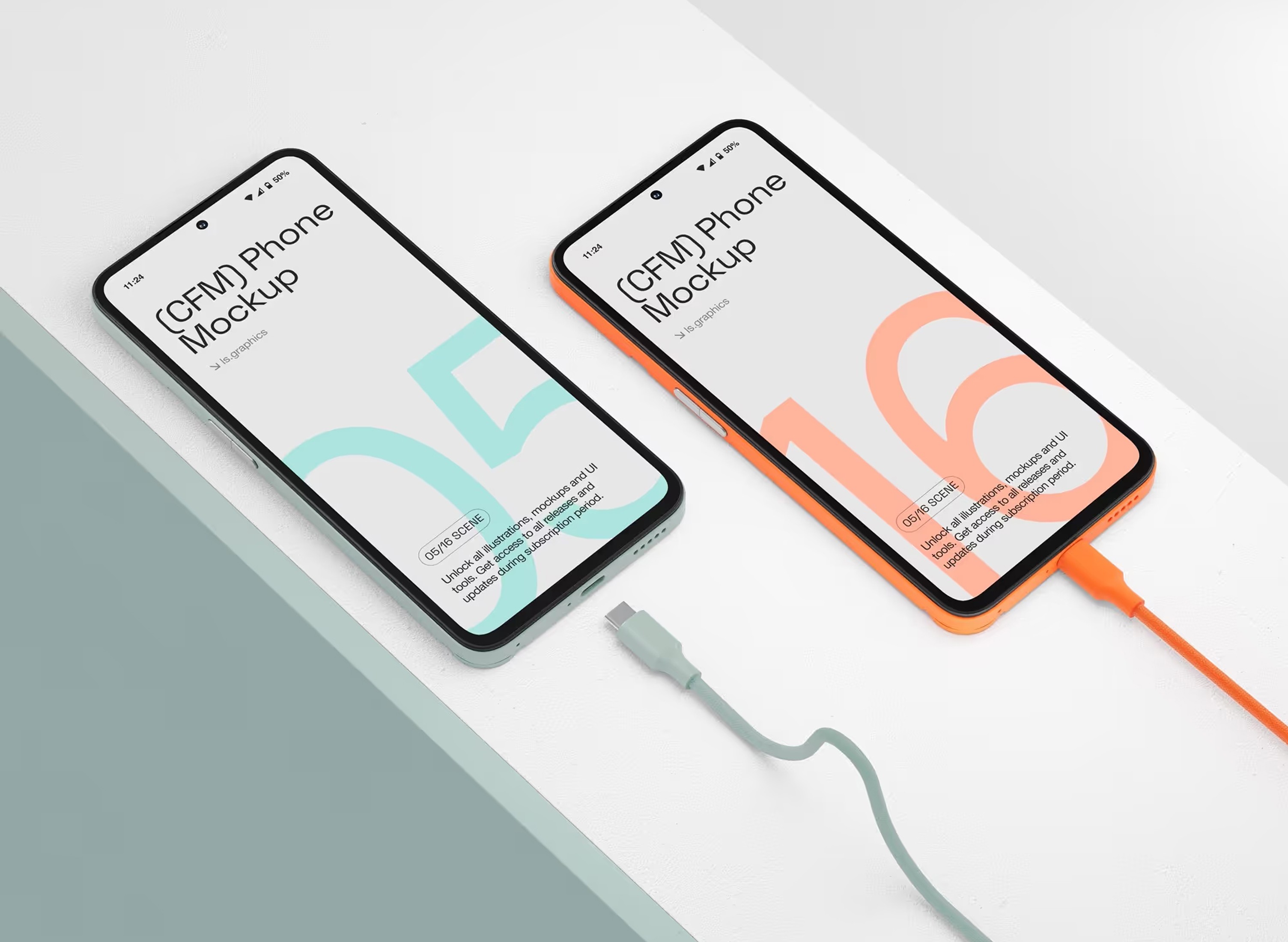
Benefits Beyond Mobile
When you design for mobile first, the transition to larger screens is seamless. Scaling up is much easier than stripping down a desktop design to fit mobile. Plus, mobile-first websites often look cleaner and more modern across all devices.
Final Thoughts
Designing mobile-first isn’t just a trend—it’s a necessity. By prioritizing mobile users, you’re creating a website that’s fast, focused, and future-ready. In today’s digital landscape, that’s the key to keeping your audience engaged and your brand competitive.